
Pre-Hurricane Season Roof Inspection Checklist: 7 Key Vulnerabilities

June 1 is the official start of Atlantic hurricane season. Inspect these 7 weak points now before emergency crews are booked solid after a storm. When dealing with hurricane season roof checklist houston, timely execution according to Texas building standards prevents costly secondary water damage to interior drywall, insulation, and roof decking.
Beat the Storm Rush: 7 Pre-Hurricane Checks
Once a tropical storm is named in the Gulf, roofing supply houses run out of materials and emergency contractors receive hundreds of calls per hour. Prepare your home in May:
- Drip Edge Fastening: Ensure metal perimeter drip edge is securely nailed into fascia every 12 inches.
- Plumbing Vent Collars: Replace split or rotted neoprene pipe boots with lead jacks.
- Flashing Reglet Seals: Check chimney counter-flashing caulk for shrinkage or cracking.
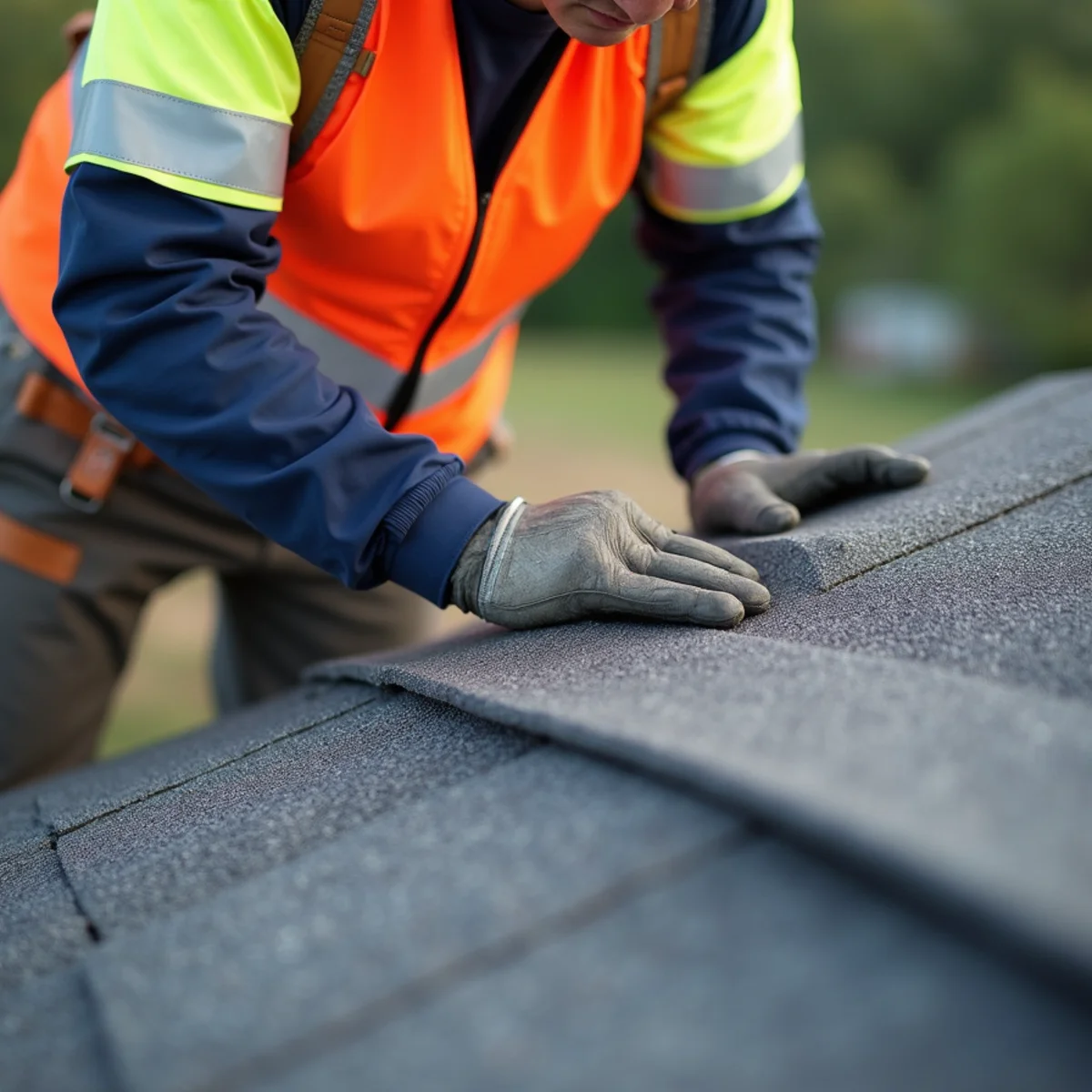
- Ridge Cap Shingles: Verify ridge caps are firmly sealed and not cracked or loose.
- Valley Cleanliness: Clear leaves and pine needles to prevent damming during 4-inch rains.
- Fascia Board Rigidity: Probe wood fascia boards behind gutters for soft moisture rot.
- Attic Infiltration Signs: Inspect attic rafters for water stains indicating unsealed shingle nail holes.
Schedule our free 21-point hurricane assessment at (855) 705-1940.
Technical Engineering Analysis & Local Building Code Standards
Implementing roofing solutions in Greater Houston requires addressing the unique convergence of high ambient humidity, intense solar ultraviolet exposure, and sudden tropical convective storm squalls. Under the International Residential Code (IRC Chapter 9 for Roof Assemblies) and local municipal amendments across Harris, Fort Bend, and Montgomery counties, roofing systems must satisfy strict performance criteria:
1. Underlayment & Water-Resistive Barriers (IRC R905.1.1)
Standard asphalt-saturated organic felt (No. 15 or No. 30) degrades quickly in Houston's humid climate, trapping heat and deteriorating when exposed to moisture. We specify tear-resistant synthetic underlayment engineered from woven polypropylene. In critical water-shedding areas—including roof valleys, eaves, and around chimney curbs—we install self-adhering polymer-modified bitumen ice-and-water membranes that seal tightly around nail penetrations.
2. High-Wind Fastening Patterns (ASTM D3161 / D7158)
While standard building code permits 4 nails per shingle in low-wind interior regions, Houston's proximity to the Gulf Coast places it in a designated high-wind zone. Every architectural shingle installed by PRIME REPAIR SERVICES L&R LLC is secured with a 6-nail fastening schedule driven through the manufacturer's reinforced nail zone into sound 7/16-inch OSB or 1/2-inch plywood decking. This increases the shingle's wind uplift resistance from 110 MPH to 130 MPH, providing vital protection during tropical storms and hurricanes.
3. Flashing Transitions & Moisture Containment
Over 80% of persistent residential roof leaks occur at vertical wall and roof plane intersections. We fabricate and install heavy-duty 26-gauge galvanized or aluminum step flashing, continuous counter-flashing with recessed reglet mortar joints, and custom kick-out flashing diverters that channel water safely away from exterior wall assemblies into seamless gutters.
Long-Term Preventative Value
Taking proactive steps to inspect and maintain these critical roofing junctions prevents silent moisture ingress, preserves attic insulation R-value, and protects the structural framing of your property for decades to come.
Houston Semi-Annual Roof Preventative Maintenance Protocol
Technical benchmarks and practical guidelines for Greater Houston properties.
| Inspection Focus | Recommended Frequency | Homeowner Ground Check | Professional Technical Scope | Preventative Benefit |
|---|---|---|---|---|
| Hurricane Readiness & Shingle Seals | Spring (May – June) | Check for curled shingles or broken seal tabs visible from ground with binoculars. | Physical lift test on shingles; reseal broken thermal strips; check perimeter drip edge. | Prevents catastrophic shingle blow-off during hurricane gusts. |
| Gutter Clearances & Downspout Flow | Fall & Post-Storm | Observe downspout discharge during rain; look for overflowing corners. | Clear organic debris; flush downspouts; check fascia board moisture and screw hanger tension. | Prevents water backing up beneath eaves and rotting roof decking. |
| Overhanging Tree Limbs | Annual (Pre-Storm) | Identify branches within 6 feet of roofline or touching shingles. | Document structural roof clearance; inspect for abrasive branch scuffs on shingle granules. | Eliminates puncture hazard from falling deadwood and stops rodent/squirrel attic access. |
| Black Algae & Microbial Growth | As Needed (Every 2–3 Years) | Look for dark vertical stains (Gloeocapsa magma) on north-facing roof slopes. | Low-pressure chemical soft-wash using ARMA-approved sodium hypochlorite solution. | Restores curb appeal and prevents algae from feeding on shingle limestone filler. |
Why Power Washing Your Roof Voids Your Warranty & How Soft Washing Saves Shingles
Every year in Houston, well-meaning homeowners and uncertified handymen attempt to clean dark roof stains using high-pressure power washers. High-pressure water jets immediately strip away the microscopic ceramic-coated mineral granules that protect the underlying asphalt from UV degradation. Blasting granules voids all major shingle manufacturer warranties (including GAF, Owens Corning, and CertainTeed) and can slash a 25-year roof's remaining lifespan down to 5 years.
The dark stains commonly found on Houston roofs are not dirt or mildew—they are airborne cyanobacteria called Gloeocapsa magma. This bacterium develops a dark, UV-protective sheath to shield itself from Texas sunlight, feeding on the calcium carbonate limestone filler used in modern asphalt shingles.
The only method approved by the Asphalt Roofing Manufacturers Association (ARMA) for removing algae is a gentle chemical 'soft wash.' PRIME REPAIR SERVICES L&R LLC applies a biodegradable sanitizing solution at garden-hose pressure (under 60 PSI) that eradicates algae colonies down to the root without dislodging a single protective granule.
Frequently Asked Questions: Pre-Hurricane Season Roof Inspection Checklist: 7 Vulnerabilities to Check Now
Authoritative answers backed by Texas building standards and local field experience.
While black streaks (Gloeocapsa magma) start as a cosmetic nuisance, the bacteria feed on the limestone filler in your shingles. Over time, this weakens shingle granules, promotes moisture retention, increases attic heat absorption, and accelerates shingle breakdown in Houston's hot climate.
We recommend a professional physical roof inspection twice a year: once in late spring before hurricane season begins (June 1) and once in late fall after storm season concludes. You should also schedule an inspection after any major hail event or severe wind storm.
Trees and heavy overhanging limbs should be trimmed back at least 6 to 10 feet from your roofline. Branches that touch shingles act like abrasive sandpaper during breezy conditions, stripping granules, while also providing easy highway access for squirrels, rats, and raccoons seeking attic entry.
No, standard insurance policies cover sudden and accidental storm or impact damage, not routine wear-and-tear, maintenance, or algae cleaning. However, maintaining documented proof of regular roof inspections helps streamline claims when real storm damage occurs.
Proactive Care Extends Roof Life by 5 to 10 Years
In Southeast Texas's challenging climate, proactive roof maintenance is an investment that pays for itself many times over. Catching a single cracked pipe boot or small wind crease before rain rots your attic framing saves thousands in interior restoration costs.
Schedule your complimentary 21-point physical roof inspection with PRIME REPAIR SERVICES L&R LLC today. Call our Houston dispatch team at (855) 705-1940.
Related Services & Greater Houston Service Hubs
Need Professional Advice on Your Houston Roof?
Our experienced roofing specialists provide free on-site inspections, photo documentation, and honest written recommendations across Harris, Fort Bend, and Montgomery counties.